Connecting Rural Patients Between Clinical Encounters
Rural patients need support between clinical encounters because the next in-person visit may be many miles away. A connected-care model can provide education, reminders, surveys, monitoring, video contact, and clear escalation paths during that interval.
The objective is continuity. The technology should help patients follow the plan, report meaningful changes, and reach the appropriate team without implying that clinicians are watching continuously when they are not.
Identify the vulnerable points between visits
Review the first days after hospital discharge, medication changes, new diagnoses, rehabilitation transitions, specialist referrals, and periods of worsening chronic symptoms. These are times when patients may have questions or need reinforcement.
Distance can make patients reluctant to seek clarification. A minor concern may go unreported until it becomes serious enough to justify travel.
Use education that matches the care plan
Deliver concise, condition-specific information. Explain what the patient should do, what signs require a call, which symptoms require emergency care, and whom to contact.
Content should be reviewed by qualified clinicians and updated when guidance changes. Generic wellness content can complement care, but it should not replace personalized instructions.
Use reminders with a response workflow
Reminders can support appointments, medications, measurements, exercises, and surveys. The organization must decide what happens when the patient does not respond.
A missed reminder may mean the patient forgot, declined, lost connectivity, entered the hospital, or needs help. The technology cannot determine the cause without a defined follow-up process.
Connect monitoring to accountable teams
Remote measurements can support selected clinical programs. Define enrollment criteria, device ownership, setup, data review frequency, thresholds, escalation, documentation, after-hours coverage, and program completion.
Rural connectivity may interrupt transmission. Staff should distinguish missing data from normal data and know how to contact the patient.
Provide several communication paths
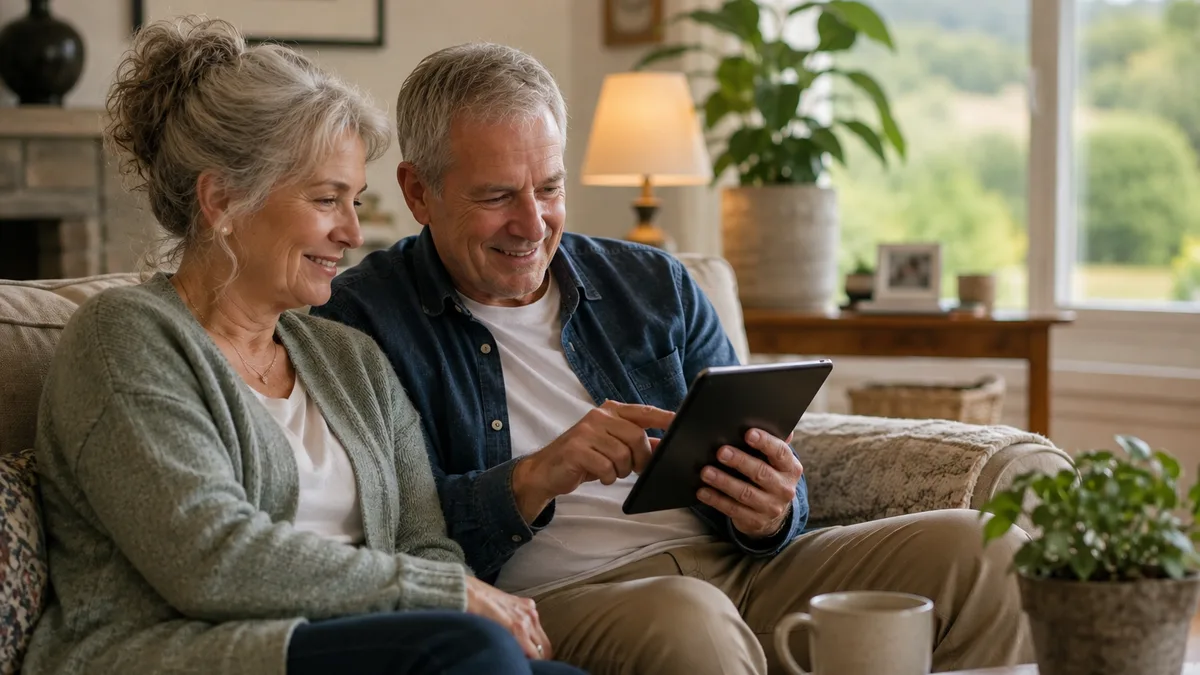
Patients may need video, telephone, secure messaging, caregiver assistance, or an in-person option. A single channel can fail because of weather, broadband, device problems, or patient preference.
Independa describes television-based engagement, video communication, surveys, educational content, reminders, and health-device integration for organizational use. These capabilities may support a between-visit model for selected rural populations. The healthcare organization must define clinical responsibility and verify the exact configuration.
Coordinate family and community support
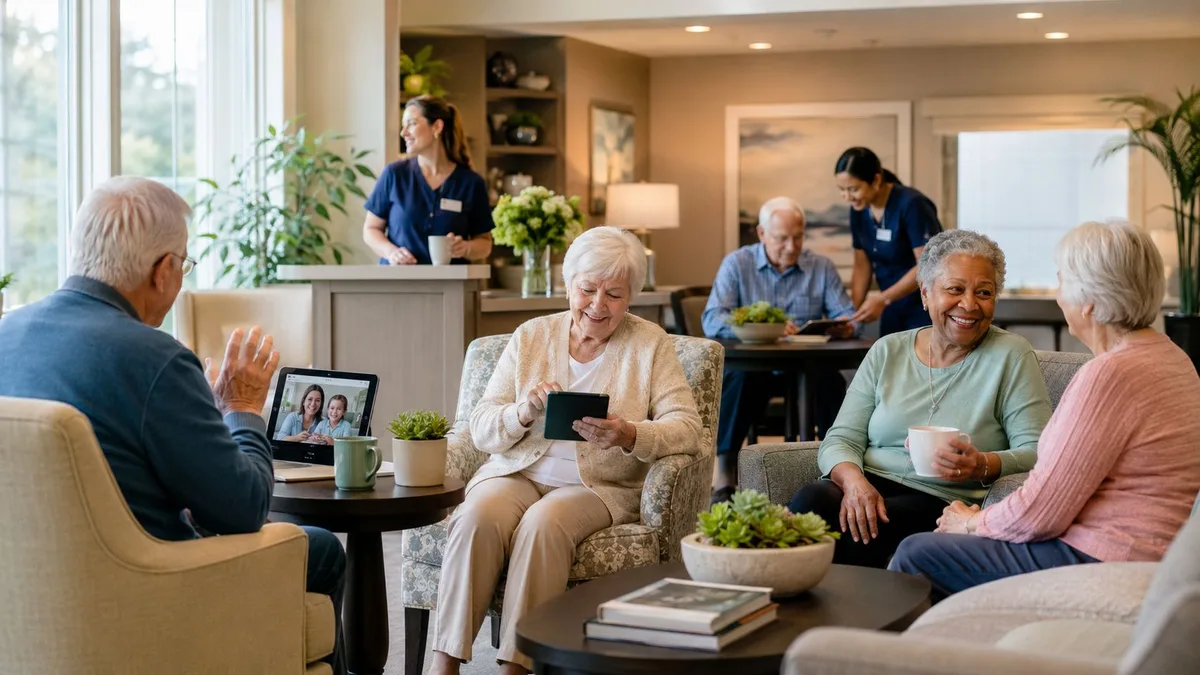
Family members can reinforce instructions and notice changes. Senior living communities, home health agencies, local clinics, pharmacies, and community organizations may also support access.
Roles need boundaries. A senior living employee providing technical assistance is performing a different function from a licensed clinician interpreting symptoms.
Measure continuity
Possible measures include follow-up completion, response time, monitoring adherence, successful contacts, escalations, readmissions, emergency visits, support calls, and trips avoided. Clinical outcomes require appropriate study design and should not be attributed to the technology alone without evidence.
Create a clear exit and escalation plan
Patients should know when the remote program ends, what happens to equipment, how records are retained, and where they receive ongoing care. They also need simple instructions for urgent and emergency situations.
Connecting rural patients between encounters can reduce uncertainty and selected travel demands. Success depends on responsible workflows, accessible endpoints, and dependable local care when hands-on services are needed.
Design the escalation ladder before enrollment
Create written levels for routine questions, concerning symptoms, urgent needs, and emergencies. Identify the contact method, expected response time, responsible role, documentation location, and backup person at each level.
Patients should receive plain-language instructions. A portal message is inappropriate for an emergency. Automated content should never create the impression that a clinician has reviewed information when review has not occurred.
Account for local service availability
Escalation only works when the next service is reachable. Maintain current information for local clinics, pharmacies, laboratories, imaging facilities, home health agencies, emergency departments, transportation resources, and emergency medical services.
Rural service availability can change. Review the directory on a defined schedule and after local closures or staffing changes.
Review the program as a care pathway
Executive review should examine enrollment, activation, use, clinical response, escalation, technical support, and exit. High enrollment with low activation indicates an access problem. High survey completion with delayed response indicates a workflow problem.
The full pathway matters more than the number of features offered.
Build a predictable contact rhythm
Patients should know when the care team will contact them and how quickly routine messages are reviewed. A predictable rhythm may include a post-discharge check, scheduled survey, weekly education, measurement schedule, and planned clinician follow-up.
Too many prompts can create fatigue. Too few contacts can leave the patient uncertain. Adjust frequency to the condition, care plan, and patient preference.
Make missed contact visible
A failed video visit, unanswered survey, or missing measurement should enter a work queue when follow-up is required. The queue should show ownership, priority, due time, attempts, disposition, and escalation.
Do not assume that nonresponse means nonadherence. Connectivity failure, hospitalization, confusion, hearing difficulty, device problems, or a caregiver change may be responsible.
Support transitions among organizations
Rural patients may receive care from a regional hospital, local primary-care clinic, home health agency, pharmacy, specialist group, and family caregiver. Information can become fragmented at each transition.
Define which organization owns each follow-up action and how necessary information is exchanged. Consent, minimum-necessary access, data quality, and record reconciliation require attention.
Sustainability and program completion
Determine who pays for technology, staff time, connectivity, and devices during the program. Verify current payer rules instead of assuming reimbursement. Plan for patients whose coverage or eligibility ends while support needs continue.
At program completion, provide a clear handoff. Tell the patient which services stop, which remain available, whom to contact, and how equipment or accounts will be handled. A responsible exit protects continuity and patient trust.
Executive oversight should review exceptions, unresolved contacts, and patients who lose access before their clinical needs have been transferred. These cases reveal gaps that average program metrics can hide.
Review the program with local partners and patients at defined intervals. Rural service availability, staffing, transportation, and connectivity can change quickly, so a workflow that worked at launch may require revision. Document changes and communicate them to every organization that shares responsibility for the patient pathway.
About Independa
Founded in 2009 and headquartered in San Diego, Independa, Inc. develops technology designed to help older adults stay connected, engaged, informed, and supported across senior living communities and at home. At the center of the company’s offering is the Independa Health Hub®, a health, wellness, engagement, and care platform that can be accessed through familiar screens, including televisions, tablets, computers, and phones.
Independa’s approach centers on making digital health and engagement services easier to access for older adults, including those who may be less comfortable using traditional computers or mobile applications. Through the Independa Health Hub®, users can access services such as video communication, social connection, family communication, wellness resources, telehealth, and other health-related tools. The platform is HIPAA-compliant and is available through supported LG and Sony smart TVs, DISH Network set-top boxes, computers, and tablets.
For senior living organizations, Independa extends beyond resident-facing communication. Its platform supports a range of community and enterprise functions, including resident and family engagement, digital signage, community calendars, dining menus, surveys, broadcast messages, work orders, and information delivered directly through resident televisions. This gives operators a way to bring communication, engagement, wellness, and selected care services into a coordinated technology environment while reaching residents through screens they already know how to use.
Independa also serves organizations across home care, home health, remote care, and other healthcare delivery models. Its technology can support virtual interaction between older adults, caregivers, family members, and healthcare professionals, including access to telehealth services and remote healthcare engagement.
The company describes its mission in practical terms: making health, wellness, communication, and care easier to access without requiring older adults to adapt to an entirely new technology environment. By bringing services to the television and other familiar devices, Independa is designed to support aging in place, resident engagement, family connection, remote care, and the broader goal of helping older adults remain more independent and connected.
Frequently Asked Questions
Why is between-visit support important in rural health?
The next appointment may require significant travel, and patients may delay questions or follow-up when reaching care is difficult.
What tools can support rural patients between visits?
Tools may include education, reminders, surveys, remote monitoring, video, telephone, secure messages, and caregiver communication.
Who should respond to remote patient data?
The healthcare organization must assign qualified staff, review schedules, thresholds, escalation rules, documentation, and after-hours responsibilities.
Can senior living communities help?
Communities may provide connectivity, a private space, device access, or technical assistance when roles, privacy, consent, and clinical boundaries are defined.
What happens when a patient needs hands-on care?
The program should provide clear escalation to local clinics, emergency services, diagnostic facilities, pharmacies, or regional providers as appropriate.